
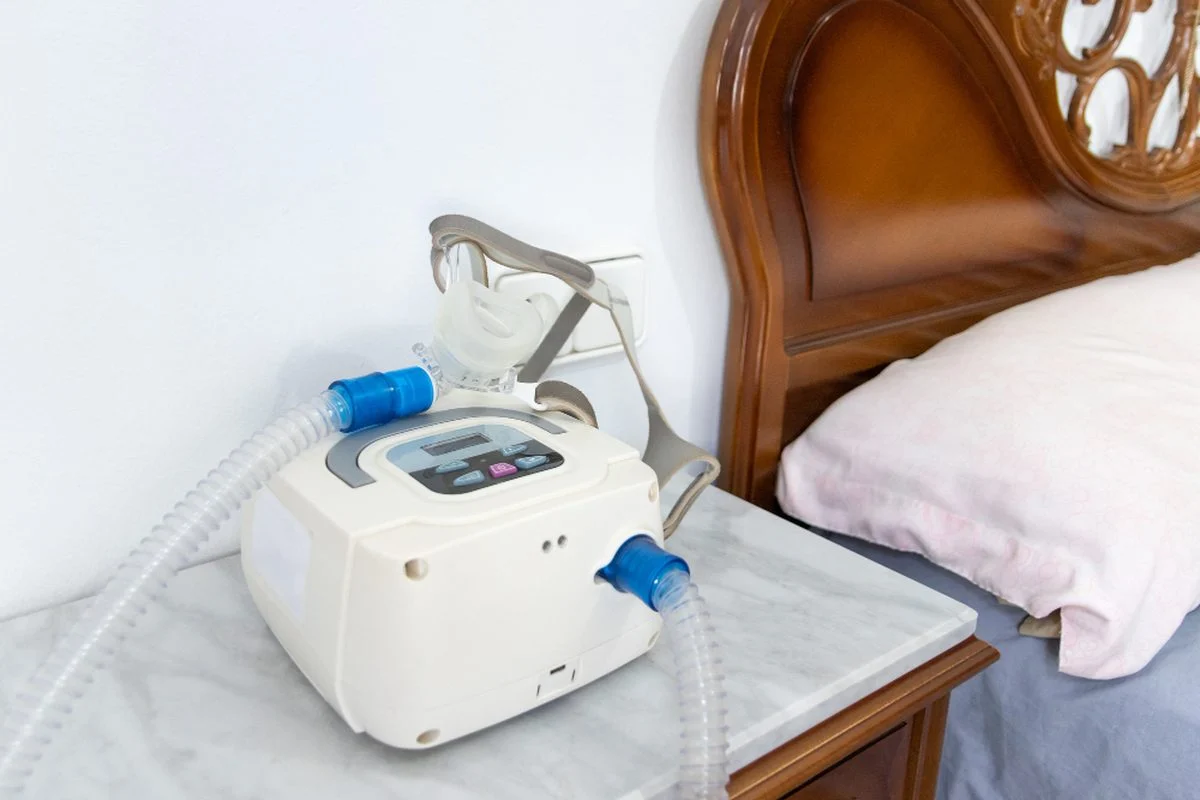
A Comfortable Seal Makes CPAP Therapy Work
A CPAP machine can only treat sleep apnea when the mask fits well. A leaky, tight or poorly sized mask is the most common reason patients give up on therapy. At Advanced Center for Sleep Disorders, we help patients across Southeast Tennessee and North Georgia find the right mask and adjust it properly. We see patients at our offices on Lee Highway and East Brainerd Road in Chattanooga, Highway 41 in Ringgold, GA, and Clingan Ridge Drive in Cleveland, TN. The tips below can help you get a better seal and a better night’s sleep at home.
Request an AppointmentWhy Mask Fit Matters
Continuous positive airway pressure keeps your airway open by sending a steady stream of air through your mask. With obstructive sleep apnea, that pressure stops the airway from collapsing during sleep. When air escapes around the edges of the mask, you lose some of that pressure. Leaks can also blow air into your eyes, make noise that wakes you or your partner, and dry out your nose and mouth. A good fit protects your treatment results and makes it much easier to wear CPAP every night.
Choosing the Right Mask Style
No single mask works for everyone. The best choice depends on how you breathe, your facial shape, how you sleep and whether you wear glasses or have facial hair. The most common styles are:
- Nasal pillows: Small cushions that sit just inside the nostrils. They are light and open, and work well for side sleepers and people who feel closed in by larger masks.
- Nasal masks: A cushion that covers the nose. They suit many patients who breathe through the nose and need moderate to higher pressures.
- Full face masks: These cover both the nose and mouth. They are often the best fit for mouth breathers, people with frequent nasal congestion and patients on higher pressure settings.
- Hybrid masks: These combine nasal pillows with a mouth cushion. They give full face coverage with less contact on the bridge of the nose.
If you wake with a dry mouth, you may be breathing through your mouth at night. A full face mask or a chin strap may help. Our team can help you compare options during a visit with one of our sleep medicine providers.
Getting the Size Right
Most masks come in several cushion sizes, and many include a sizing guide. A mask that is too large tends to leak at the corners. A mask that is too small can press on the nose or sit unevenly. Some tips for sizing:
- Use the manufacturer’s sizing gauge instead of guessing from your old mask.
- Nasal masks should sit just above the upper lip and below the bony bridge of the nose.
- Full face masks should cover the mouth when it is slightly open, without reaching past the chin.
- Nasal pillows should rest comfortably at the opening of the nostrils, not pushed deep inside.
How to Fit Your Mask Step by Step
Follow these steps each time you put on your mask:
- Start with a clean, dry face. Lotions and natural oils can break the seal and wear down the cushion.
- Put the mask on, then lie down in your normal sleep position. Your face shape changes when you lie down, so fitting while sitting up can be misleading.
- Turn the machine on before your final adjustments. The cushion inflates slightly under pressure and settles into place.
- Adjust the headgear straps evenly on both sides, a little at a time.
- Gently pull the mask away from your face and let it reseat. This often fixes small leaks without tightening anything.
Avoid Over-Tightening
Many people tighten the straps when they hear a leak. This often makes it worse. A cushion that is pressed too hard can fold or wrinkle, which creates new gaps. It can also leave red marks or sore spots on the bridge of the nose. The mask should feel snug but not tight. You should be able to slide one or two fingers under the straps. If you still need to crank the straps to stop leaks, the size or style is probably wrong, or the cushion needs to be replaced. Our CPAP mask troubleshooting guide covers specific leak and comfort problems.
Keeping Your Mask in Good Shape
Even a perfect fit will slip as parts wear out. Silicone cushions soften and stretch, and headgear loses its elastic over time. To keep your seal reliable:
- Wipe the cushion daily with mild soap and warm water or mask wipes, then let it air dry.
- Wash the headgear and tubing weekly, and keep them out of direct sunlight.
- Replace cushions and pillows on a regular schedule. Many insurance plans cover new cushions every few weeks and a new mask every few months.
- Look for tears, stiffness or a cushion that no longer springs back, and replace those parts.
Mask problems sometimes overlap with equipment issues. If your mask fits well but therapy still feels off, see our pages on CPAP machine problems, CPAP humidifier problems and general CPAP problems. If you are heading out of town, read traveling with your CPAP machine before you pack.
When to See a Sleep Specialist
Call us if you still have leaks after trying a few adjustments, if you keep pulling the mask off during the night, or if your snoring and daytime sleepiness come back. These can be signs that your pressure needs to change, your mask style isn’t right, or another condition such as central sleep apnea needs attention. Our team treats a wide range of sleep disorders and can review your therapy data to find the cause. Visit our Chattanooga sleep clinic, North Georgia sleep clinic or Cleveland sleep clinic, or see all of our locations. You can find more help on our main CPAP troubleshooting and travel tips page.
CPAP Mask Fitting FAQs
How do I know if my CPAP mask fits correctly?
A well-fitted mask feels snug but comfortable, stays in place when you change positions, and doesn’t leak air into your eyes or make hissing sounds. You should wake without deep red marks, sore spots or a very dry mouth.
Should I tighten my mask if it leaks?
Usually not. Over-tightening can fold the cushion and cause more leaks. Try pulling the mask gently away from your face and letting it reseat while the machine is running. If leaks continue, the size, style or cushion may need to change.
Why should I adjust my mask while lying down?
Your facial muscles and skin shift when you lie down, and the cushion inflates once the air is flowing. Adjusting in your normal sleep position with the machine on gives you the most accurate fit.
What mask is best if I breathe through my mouth?
Mouth breathers often do best with a full face or hybrid mask, which covers both the nose and mouth. Some patients use a nasal mask with a chin strap instead. Our team can help you decide which option fits your needs.
How often should I replace my CPAP mask cushion?
Cushions and nasal pillows wear out quickly with nightly use. Many insurance plans allow a new cushion every few weeks and a new mask frame every few months. Replace them sooner if they feel stiff, torn or stretched.
Can facial hair affect my CPAP mask seal?
Yes. Beards and mustaches can create gaps where air escapes, especially with full face masks. Nasal pillows often work better for people with facial hair, since they touch less of the face.
Where can I get help with my CPAP mask?
We help patients with mask fitting and CPAP therapy at our two Chattanooga, TN offices, our Ringgold, GA office and our Cleveland, TN office. Call us to schedule a visit with one of our sleep providers.
Still Struggling With Your CPAP Mask?
You don’t have to put up with leaks, sore spots or restless nights. The team at Advanced Center for Sleep Disorders can review your mask, your settings and your sleep data to get your therapy back on track. Call (423) 648-8008 or request an appointment at one of our offices in Chattanooga, Cleveland or Ringgold.