
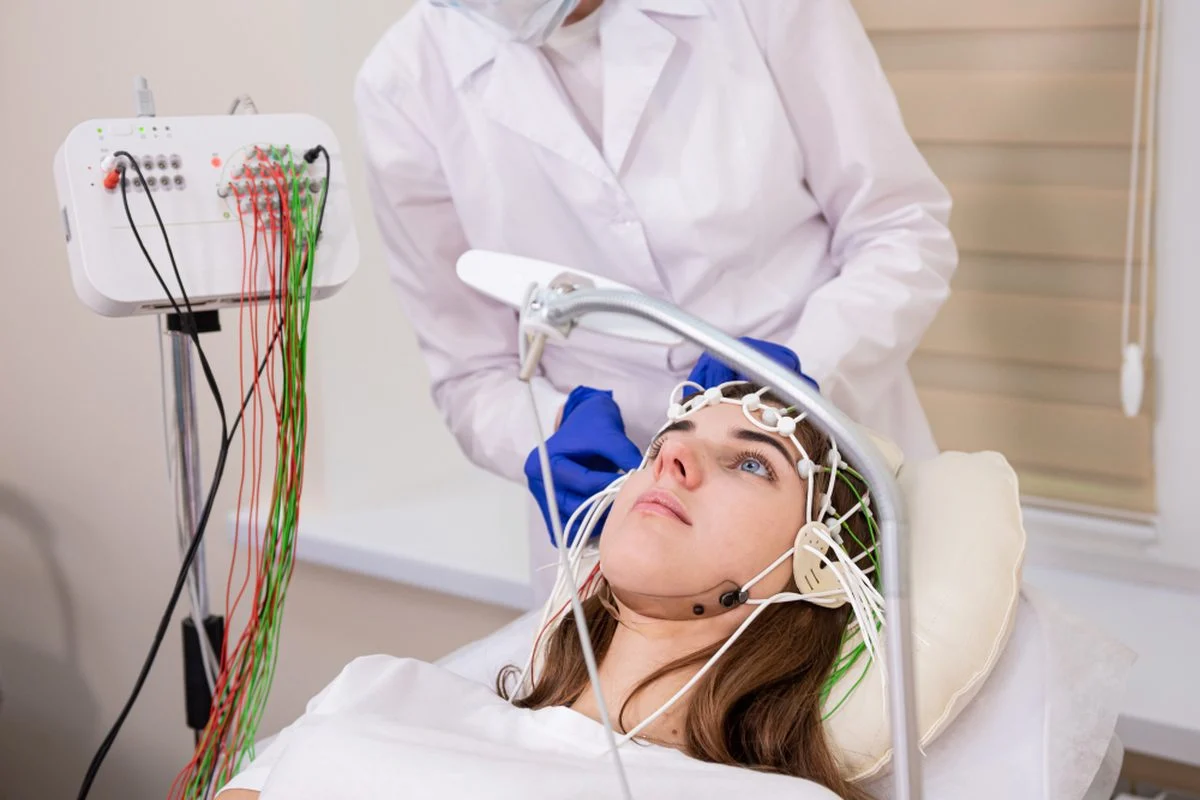
Take Back Your Days From Overwhelming Sleepiness
Falling asleep at your desk, at dinner or behind the wheel, no matter how much you slept the night before, is not a willpower problem. It may be narcolepsy, a lifelong neurological sleep disorder that is often missed for years. At Advanced Center for Sleep Disorders, our sleep medicine providers diagnose and manage narcolepsy for patients across Chattanooga and Cleveland, Tennessee, and Ringgold and North Georgia. We use proper testing to confirm what is going on and build a treatment plan that helps you stay alert and safe.
Request an AppointmentWhat Is Narcolepsy?
Narcolepsy is a chronic disorder in which the brain cannot properly regulate the boundary between sleep and wakefulness. Instead of staying awake through the day and sleeping soundly at night, people with narcolepsy slip into sleep, or parts of sleep such as dream-stage (REM) sleep, at unexpected times. Symptoms usually begin in the teens or twenties, but narcolepsy can appear at any age, which is why it is also part of our pediatric sleep disorders care.
Sleep specialists generally recognize two forms:
- Narcolepsy type 1: Excessive daytime sleepiness plus cataplexy (sudden muscle weakness triggered by emotion) and/or low levels of hypocretin, a brain chemical that helps keep you awake.
- Narcolepsy type 2: Excessive daytime sleepiness without cataplexy and with normal hypocretin levels. Symptoms are often milder but still disruptive.
Common Symptoms of Narcolepsy
Not everyone has every symptom, and the pattern can change over time. Watch for:
- Excessive daytime sleepiness: A persistent, heavy need to sleep, with “sleep attacks” that can come on during conversations, meals or driving.
- Cataplexy: Brief episodes of muscle weakness, such as a sagging jaw, drooping head or buckling knees, often triggered by laughter, surprise or anger.
- Sleep paralysis: Being briefly unable to move or speak while falling asleep or waking up.
- Vivid hallucinations: Dream-like images or sounds at sleep onset (hypnagogic) or on waking (hypnopompic).
- Disrupted nighttime sleep: Frequent awakenings despite feeling exhausted all day.
- Automatic behaviors: Continuing a task, like typing or driving, with little memory of doing it.
Because daytime sleepiness has many causes, narcolepsy is frequently mistaken for depression, poor sleep habits or insomnia. Other conditions, including obstructive sleep apnea, central sleep apnea, restless legs syndrome and shift work sleep disorder, can also leave you drowsy during the day. A careful evaluation sorts these out.
How Narcolepsy Is Diagnosed
An accurate diagnosis starts with a consultation with one of our sleep medicine doctors and providers. We review your symptoms, sleep schedule, medications and medical history, and we may ask you to keep a sleep diary for a week or two beforehand.
Testing for narcolepsy typically involves two steps:
- Overnight sleep study (polysomnography): Monitors brain waves, breathing, heart rhythm and movement while you sleep to rule out other causes of sleepiness and look for early REM sleep.
- Multiple Sleep Latency Test (MSLT): A daytime study the following day with a series of scheduled naps. It measures how quickly you fall asleep and whether you enter REM sleep, both key markers of narcolepsy.
Some medications affect these results, so your provider will give you clear instructions on what to adjust before testing. Never stop a prescribed medication without guidance.
Treatment Options for Narcolepsy
There is no cure for narcolepsy, but the right treatment plan can dramatically reduce symptoms and help you work, study, drive and enjoy life more safely. Your plan may include:
- Wake-promoting medications to reduce daytime sleepiness and improve alertness.
- Medications that target cataplexy, sleep paralysis and hallucinations.
- Nighttime therapies that consolidate sleep and can improve both nighttime rest and daytime symptoms.
- Scheduled short naps during the day to manage sleepiness.
- Consistent sleep and wake times, along with limits on alcohol, heavy meals and late caffeine.
- Safety planning around driving, work duties and other activities where sudden sleepiness poses a risk.
Narcolepsy treatment is not one-size-fits-all. We follow up regularly to fine-tune medications, address side effects and treat any overlapping conditions, such as sleep apnea, parasomnias or circadian rhythm sleep disorders.
Narcolepsy Care Close to Home
Advanced Center for Sleep Disorders has four sleep clinic locations so testing and follow-up visits are convenient wherever you live: two in Chattanooga, one in Cleveland and one in Ringgold, Georgia. Visit our Chattanooga sleep clinic, Cleveland sleep clinic or North Georgia sleep clinic, or see all sleep clinic locations. Learn more about why patients choose our team, explore our full range of sleep disorder services, or browse our frequently asked questions.
Narcolepsy FAQs
How do I know if my sleepiness is narcolepsy or just poor sleep?
Ordinary tiredness usually improves after a few nights of good sleep. Narcolepsy causes persistent, overwhelming sleepiness even after a full night in bed, and it may come with cataplexy, sleep paralysis or vivid hallucinations. If daytime sleepiness lasts three months or more and interferes with daily life, a sleep evaluation is the best way to find the cause.
What is cataplexy?
Cataplexy is a sudden, brief loss of muscle tone triggered by strong emotions such as laughter, excitement or anger. It can be as subtle as facial drooping or as dramatic as collapsing to the floor, but you remain awake and aware during the episode. Cataplexy is a hallmark of narcolepsy type 1.
What tests are used to diagnose narcolepsy?
Diagnosis typically involves an overnight sleep study (polysomnography) followed the next day by a Multiple Sleep Latency Test, which measures how quickly you fall asleep during scheduled naps and whether you enter REM sleep. Together they rule out other sleep disorders and confirm narcolepsy.
Can narcolepsy be cured?
Narcolepsy is a lifelong condition with no cure at this time. However, a combination of medication, scheduled naps and healthy sleep habits controls symptoms well for many patients, allowing them to work, attend school and stay active.
Is it safe to drive with narcolepsy?
Untreated narcolepsy significantly raises the risk of drowsy-driving accidents. Many patients drive safely once their symptoms are well controlled, but you should discuss driving with your sleep provider and avoid getting behind the wheel whenever you feel sleepy.
Can children have narcolepsy?
Yes. Symptoms often begin in childhood or the teen years and may look like inattention, behavior problems or falling asleep in class. Early diagnosis helps children get the support they need at school and at home.
Where can I be evaluated for narcolepsy?
Advanced Center for Sleep Disorders offers sleep evaluations and testing at four locations: two in Chattanooga, Tennessee, one in Cleveland, Tennessee, and one in Ringgold, Georgia. Call (423) 648-8008 to schedule at the office most convenient for you.
Stop Letting Sleepiness Run Your Life
If you are fighting to stay awake through the day, you do not have to keep guessing. Our sleep medicine team can pinpoint the cause and help you feel alert again. Call (423) 648-8008 or request an appointment at our Chattanooga, Cleveland or Ringgold location.