
Clear Answers Before Your First Sleep Evaluation
Many people put off getting help for poor sleep because they aren’t sure what a sleep study involves, whether it will be uncomfortable, or how insurance works. At Advanced Center for Sleep Disorders, we want you to walk in knowing what to expect. Below are answers to the questions our team hears most often from patients at our offices in Chattanooga, TN, Cleveland, TN and Ringgold, GA, covering sleep testing, treatment, CPAP care and scheduling.
Request an AppointmentGetting Started With Sleep Medicine Care
Sleep problems rarely fix themselves. Loud snoring, waking up gasping, lying awake for hours or feeling exhausted no matter how long you sleep can all point to a treatable condition. Our providers evaluate and treat the full range of sleep disorders, from obstructive sleep apnea and chronic snoring to insomnia, narcolepsy and restless legs syndrome.
How the Process Works
Care usually begins with an office visit with one of our sleep medicine doctors and providers. They review your symptoms, sleep habits, medications and health history, then decide whether a sleep study is needed. Not every sleep disorder requires overnight testing. If a study is recommended, it takes place in a comfortable, home-like setting where trained technologists monitor you through the night. Afterward, your provider reviews the findings with you and builds a treatment plan that fits your life.
Care for Every Schedule and Stage of Life
We work with patients whose sleep is affected by night work, including those living with shift work sleep disorder, as well as people whose mood and energy dip in the darker months due to seasonal affective disorder. Families can also ask about evaluation for pediatric sleep disorders.
Support After Diagnosis
If you begin CPAP therapy, our CPAP troubleshooting and travel tips can help with mask leaks, dryness, noise and other common concerns, and our team is available to help you adjust. You can learn more about why patients choose our practice, read patient testimonials, or find the office nearest you on our locations page.
What to Bring for Your Sleep Test
- Whatever you normally wear at night, including a bathrobe and slippers
- Your usual toiletries
- Any medications you take regularly
- Any special bedding you need to sleep well, such as your own pillow
- Clean hair: wash it the morning of your study with your usual products, but skip hair oil or cream that day
- Your CPAP machine and medical records if you already use CPAP
- Dinner, if you prefer to eat at the center rather than at home beforehand
Frequently Asked Questions About Our Sleep Clinics
Why should I undergo a sleep test?
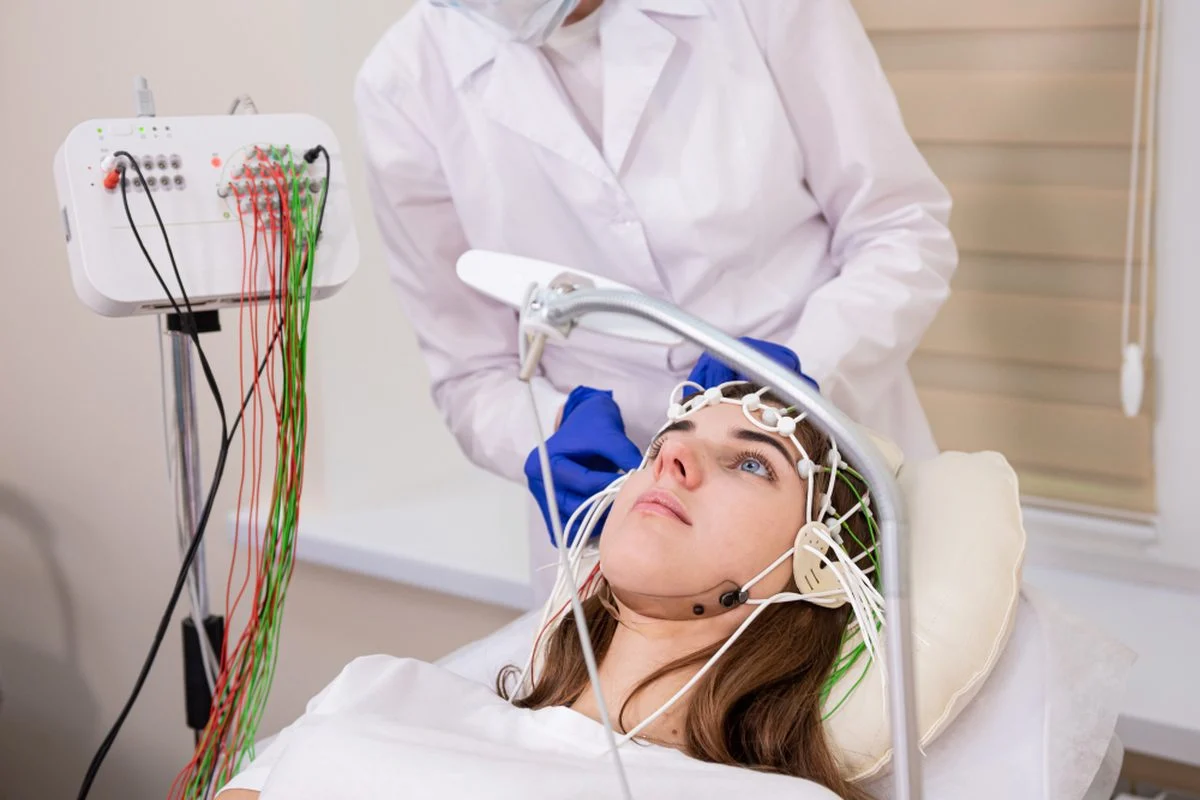
A sleep study is the gold standard test for diagnosing many sleep disorders. During the study, we monitor brainwaves, breathing, heart rhythm, blood oxygen levels, muscle activity and eye movements while you sleep. A trained technologist watches all readings throughout the night. Your provider combines this information with your personal health history to reach a clear diagnosis.
Is there any pain involved in sleep testing?
No. A sleep study is painless. Sensors simply record information about your body while you sleep. The only minor discomfort some people notice comes from the tape and adhesive patches used to hold the wires in place.
Will I be able to sleep and move around with the wires attached?
Yes. You can roll over, change sides, use the bathroom and get up to walk if you need to. Our sleep technologists monitor your data all night and are close by if you need any help.
What if I have trouble sleeping in new surroundings?
Please don’t worry. Our studies are done in settings designed to feel like home, and most people do fall asleep despite feeling nervous at first. Because of how the testing works, as little as three hours of sleep is sometimes enough to diagnose a sleep disorder.
I work shifts or don’t keep a normal sleep schedule. Can I still be tested?
Yes. Our staff will do everything possible to accommodate your natural sleep schedule, whether you work nights, rotating shifts or simply keep unusual hours. Let us know your typical sleep times when you schedule.
Can I go to work the next morning after my sleep study?
In most cases, yes. Patients are usually able to go about a normal workday after spending the night in our sleep lab.
Will my insurance cover a sleep study?
Most insurance plans cover sleep studies. The first step is an office visit with one of our sleep medicine providers, who will take your history and decide whether a study is needed. If it is, your insurance company can be contacted to confirm coverage and any deductible before testing.
Do I need a referral to be seen?
Many patients are referred by their primary care provider, but you are welcome to call us directly. Some insurance plans require a referral for specialist care, so it is a good idea to check with your plan. Our team can help you understand what is needed when you call.
What happens at my first office visit?
Your provider will ask about your symptoms, sleep habits, daytime energy, medications and overall health. They may perform a brief exam and then recommend next steps, which could include a sleep study, lifestyle changes or treatment. Not every sleep disorder requires overnight testing.
What sleep disorders do you diagnose and treat?
We evaluate and treat obstructive and central sleep apnea, snoring, insomnia, narcolepsy, restless legs syndrome, circadian rhythm disorders, shift work sleep disorder, parasomnias such as sleepwalking, and seasonal affective disorder, along with sleep concerns in children.
Where are your offices located?
We have four offices: 6624 Lee Highway in Chattanooga, TN; 6073 E Brainerd Rd in Chattanooga, TN; 2052 Highway 41 in Ringgold, GA; and 1600 Clingan Ridge Dr NW in Cleveland, TN. All four can be reached at (423) 648-8008.
Which office will I go to for my visit or sleep study?
Office visits and sleep testing take place at different locations depending on the service you need. When you schedule, our team will tell you which office to visit and give you directions, so you know exactly where to go.
Can I eat before my sleep study?
Yes. You may have dinner at home before coming to the center, or you can bring your dinner with you. Take your regular medications as usual unless your provider tells you otherwise, and bring them with you.
How will I get my sleep study results?
After your study, a sleep medicine provider reviews the full recording. We then schedule a follow-up so your provider can explain the results, answer your questions and talk through treatment options with you.
What happens if I’m diagnosed with sleep apnea?
CPAP therapy is the most common treatment for sleep apnea, and it can greatly improve sleep quality and daytime energy. Your provider will explain your options, help you get started and follow up to make sure your treatment is working well for you.
Can you help if I’m having trouble with my CPAP?
Yes. Mask leaks, dry mouth, skin irritation, noise and humidifier issues are common and usually fixable. Our CPAP tips pages cover many quick solutions, and our team can help with mask fitting and other adjustments if problems continue.
Can I travel with my CPAP machine?
Yes. CPAP machines are medical devices and can generally be carried on flights. Bring your machine in its travel case, pack any adapters you need and keep your supplies with you. Our CPAP travel tips page offers more advice for trips.
How do I schedule an appointment or sleep evaluation?
Call us at (423) 648-8008 or use our online appointment request. Our team will help you find a convenient time at the office that works best for you in Chattanooga, Cleveland or Ringgold.
Still Have Questions? We’re Here to Help
If you didn’t find your answer here, our team at Advanced Center for Sleep Disorders is happy to talk with you. Call (423) 648-8008 or request an appointment online to schedule a sleep evaluation at one of our offices in Chattanooga, TN, Cleveland, TN or Ringgold, GA.