
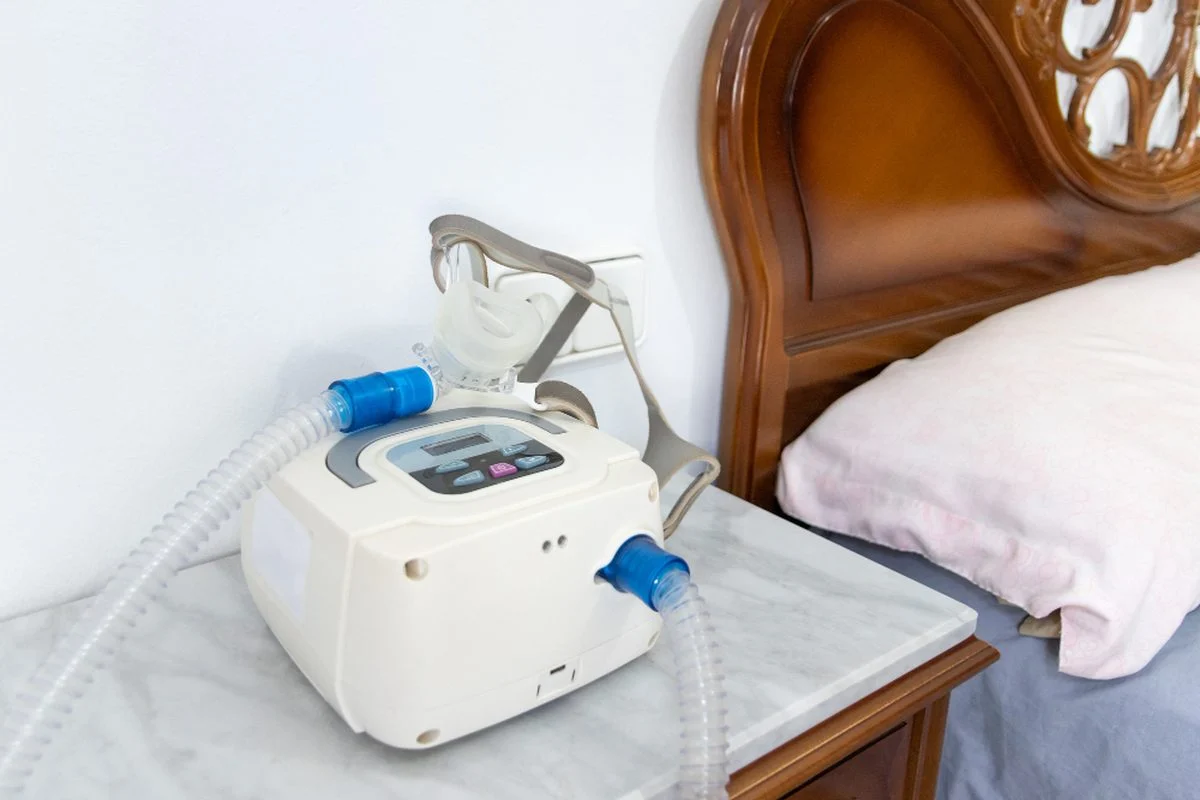
Keep Your Therapy on Track Wherever You Go
Sleep apnea doesn’t take a vacation, and your CPAP shouldn’t either. Skipping therapy for even a few nights can bring back snoring, morning headaches and daytime fatigue just when you want to enjoy your trip. At Advanced Center for Sleep Disorders, we help patients across Chattanooga and Cleveland, Tennessee, and Ringgold, Georgia, travel confidently with their equipment. A little planning before you leave makes it easy to sleep well in a hotel, a camper, a family guest room or overseas.
Request an Appointment7 Quick Tips for Traveling with Your CPAP Machine
If you need CPAP for a good night’s sleep at home, you need it on the road too. Traveling with your machine is usually easier than people expect. These are the tips our team shares most often with patients who use CPAP for obstructive sleep apnea or central sleep apnea.
- When flying, always bring your CPAP machine as a carry-on. As a medical device, it generally does not count toward the airline’s carry-on limit, and airport security X-ray screening will not harm it.
- Pack an extension cord and the right plug adapter for your destination, including a country-specific adapter if you are traveling internationally.
- Bring an adapter that accepts your 3-prong CPAP plug so you can use it with a 2-prong outlet in older hotels and cabins.
- If you use a humidifier, plan for distilled water at your destination. Carrying large amounts is impractical, so buying it after you arrive is usually the easiest option.
- When traveling by car, keep your CPAP in the passenger area rather than the trunk to protect it from extreme heat and cold.
- For car, camper, motor home or boat travel, consider a 12-volt DC adapter or a CPAP battery. Never sleep with your CPAP in a vehicle while the engine is running.
- If your destination is at a much higher or lower altitude than home, check with your sleep specialist. Altitude can affect how your machine delivers pressure, and some machines need adjustment.
Packing Your CPAP for the Trip
Start with a sturdy travel case that holds your machine, mask, tubing, power cord and humidifier chamber. Empty and dry the water chamber completely before packing to prevent leaks and mold. It also helps to bring a spare mask cushion or nasal pillows, since a worn cushion can cause leaks you won’t be able to fix away from home. If your mask has been uncomfortable lately, review our guide to CPAP mask fitting and adjustment before you go.
A simple packing checklist:
- CPAP machine and power supply
- Mask, headgear and a spare cushion
- Tubing and any filters
- Humidifier chamber, emptied and dried
- Extension cord, plug adapters and a 3-to-2 prong adapter
- A copy of your prescription and the contact number for our office
- A battery or DC adapter if you will be camping or off the grid
Flying with Your CPAP
Keep your machine with you instead of checking it, since checked bags can be lost or handled roughly. At the security checkpoint, you will usually need to take the machine out of its case for screening, and you can ask that it be placed in a clean plastic bag first. Masks and tubing can typically stay in the case. If you plan to use CPAP during a long flight, contact your airline ahead of time, confirm your machine is approved for in-flight use and carry enough battery power for the whole flight.
International Travel and Power
Most modern CPAP machines have a power supply that works with both 110 and 240 volts, so you typically only need a plug adapter, not a voltage converter. Check the label on your power supply before you leave to be sure. Pack a backup adapter in case one goes missing, and keep your prescription handy in case you need to replace supplies abroad.
Camping, RVs and Boats
Off-grid trips take a bit more preparation. A dedicated CPAP battery or a 12-volt DC adapter can power your machine overnight, but heated humidifiers use much more energy. Many travelers turn the humidifier off on battery nights to stretch power. If dryness or congestion becomes a problem without it, our tips on CPAP humidifier problems can help.
Handling Problems Away from Home
New surroundings, dry hotel air and changes in routine can bring up issues you don’t notice at home. Before you call for help, check our resources on CPAP mask troubleshooting, CPAP machine problems and general CPAP problems. You can find all of our guides on the CPAP troubleshooting and travel tips page.
Crossing time zones can also throw off your sleep schedule, even with CPAP. If jet lag or an irregular schedule regularly leaves you wide awake at night, learn more about circadian rhythm sleep disorders. If you still feel unrefreshed after consistent CPAP use, schedule a follow-up with our sleep medicine providers. Your pressure settings or mask may need adjustment, or another issue may be contributing. You can explore our full range of sleep disorder services or find the office nearest you on our locations page.
CPAP Travel Questions We Hear Often
Does my CPAP count as a carry-on bag?
CPAP machines are medical devices and generally do not count toward your carry-on limit. It’s a good idea to confirm with your airline before you fly, and always keep the machine in its own clearly labeled case.
Will airport X-ray screening damage my CPAP machine?
No. Airport security X-ray machines will not harm your CPAP. You will usually need to remove it from its case for screening, and you can ask the officer to place it in a clean plastic bag.
Can I use my CPAP during a flight?
Many machines are approved for in-flight use. Contact your airline ahead of time, confirm your device meets its requirements and bring enough battery power to last the entire flight, since outlet power on planes is not guaranteed.
Do I need a voltage converter for international travel?
Most modern CPAP machines work with both 110 and 240 volts, so a plug adapter for your destination is usually all you need. Check the label on your power supply before you leave to be sure.
What if I can’t find distilled water while traveling?
Distilled water is best because it prevents mineral buildup in the humidifier chamber. If you can’t find it, many patients use the machine without the humidifier for a night or two. Clean the chamber thoroughly once you get home.
Is it okay to skip CPAP for a few nights on vacation?
Skipping therapy allows sleep apnea symptoms to return, often right away. Snoring, poor sleep, headaches and daytime drowsiness can make travel harder and driving riskier. Bringing your machine is the safest choice.
Does altitude affect my CPAP?
It can. Many newer machines adjust for altitude automatically, while others need a manual setting change. If you’re heading somewhere much higher or lower than home, call our office before you go.
Get Your CPAP Ready Before You Leave
Whether you need a mask refit, a settings check before a trip to the mountains or help with a problem that started on the road, our team is here to help. Advanced Center for Sleep Disorders serves patients at our offices in Chattanooga and Cleveland, Tennessee, and Ringgold, Georgia. Call (423) 648-8008 or request an appointment online.