

Stop Waking Up Exhausted and Start Breathing Through the Night
Loud snoring, gasping awake and dragging through the day are often signs of obstructive sleep apnea, not just poor sleep. At Advanced Center for Sleep Disorders, our board-certified sleep medicine providers diagnose and treat obstructive sleep apnea for adults across southeast Tennessee and north Georgia, with clinic and sleep testing offices in Chattanooga, Cleveland and Ringgold. We find out what is happening while you sleep and build a treatment plan you can actually stick with, so you get your energy, focus and health back.
Request an AppointmentWhat Is Obstructive Sleep Apnea?
Obstructive sleep apnea (OSA) is the most common type of sleep-related breathing disorder. During sleep, the muscles in the throat relax and the soft tissue at the back of the airway collapses, partly or completely blocking airflow. Breathing slows or stops for ten seconds or longer, oxygen levels drop, and the brain briefly wakes you to reopen the airway. These pauses can happen dozens or even hundreds of times a night, usually without you remembering them.
Obstructive sleep apnea is different from central sleep apnea, where the brain fails to send the signal to breathe rather than the airway becoming blocked. Some patients have features of both, which is why a proper sleep study matters before treatment begins. You can see the full range of conditions we treat on our sleep disorder services page.
Common Symptoms of Obstructive Sleep Apnea
Many people learn they may have OSA from a bed partner. Others notice the daytime effects first. Common warning signs include:
- Loud, frequent snoring that may be interrupted by silence
- Choking, gasping or snorting awake during the night
- Pauses in breathing noticed by someone else
- Waking with a dry mouth, sore throat or morning headache
- Excessive daytime sleepiness or dozing off while reading, watching TV or driving
- Trouble concentrating, memory lapses and irritability
- Frequent nighttime urination
- Restless, unrefreshing sleep despite spending enough time in bed
Not everyone who snores has sleep apnea, but snoring paired with daytime fatigue deserves a closer look. Learn more about the difference on our snoring page. Some people with OSA also report trouble falling or staying asleep, which can be mistaken for insomnia.
Who Is at Risk?
Obstructive sleep apnea can affect anyone, including children, but certain factors raise the risk:
- Excess weight, especially around the neck
- A naturally narrow airway, large tonsils, a recessed jaw or a large tongue
- Nasal congestion or structural issues in the nose
- Being male, or being a woman after menopause
- Older age
- Family history of sleep apnea
- Alcohol or sedative use before bed
- Smoking
- High blood pressure, type 2 diabetes or heart disease
Children can have OSA too, often related to enlarged tonsils and adenoids. Signs in kids may look like hyperactivity or trouble in school rather than sleepiness. Our pediatric sleep disorders page covers what parents should watch for.
Why Treating Sleep Apnea Matters
Untreated obstructive sleep apnea is more than a nuisance. Repeated drops in oxygen and constant interruptions to sleep put strain on the body. Over time, OSA is linked to high blood pressure, heart disease, stroke, atrial fibrillation, type 2 diabetes, weight gain, depression and a higher risk of drowsy-driving accidents. The good news is that effective treatment can improve energy, mood, concentration and long-term health, and many patients say they did not realize how tired they had been until they started sleeping well again.
How We Diagnose and Treat Obstructive Sleep Apnea
Your care starts with a visit with one of our sleep medicine doctors and providers, who review your symptoms, sleep habits, medical history and risk factors. If sleep apnea is suspected, we arrange a sleep study at one of our sleep testing offices or, when appropriate, a home sleep test. The study measures breathing, oxygen levels, heart rate, brain activity and movement so we can confirm the diagnosis and gauge its severity.
Once we understand your results, we walk you through your options and tailor treatment to your needs, comfort and lifestyle.
Treatment Options for Obstructive Sleep Apnea
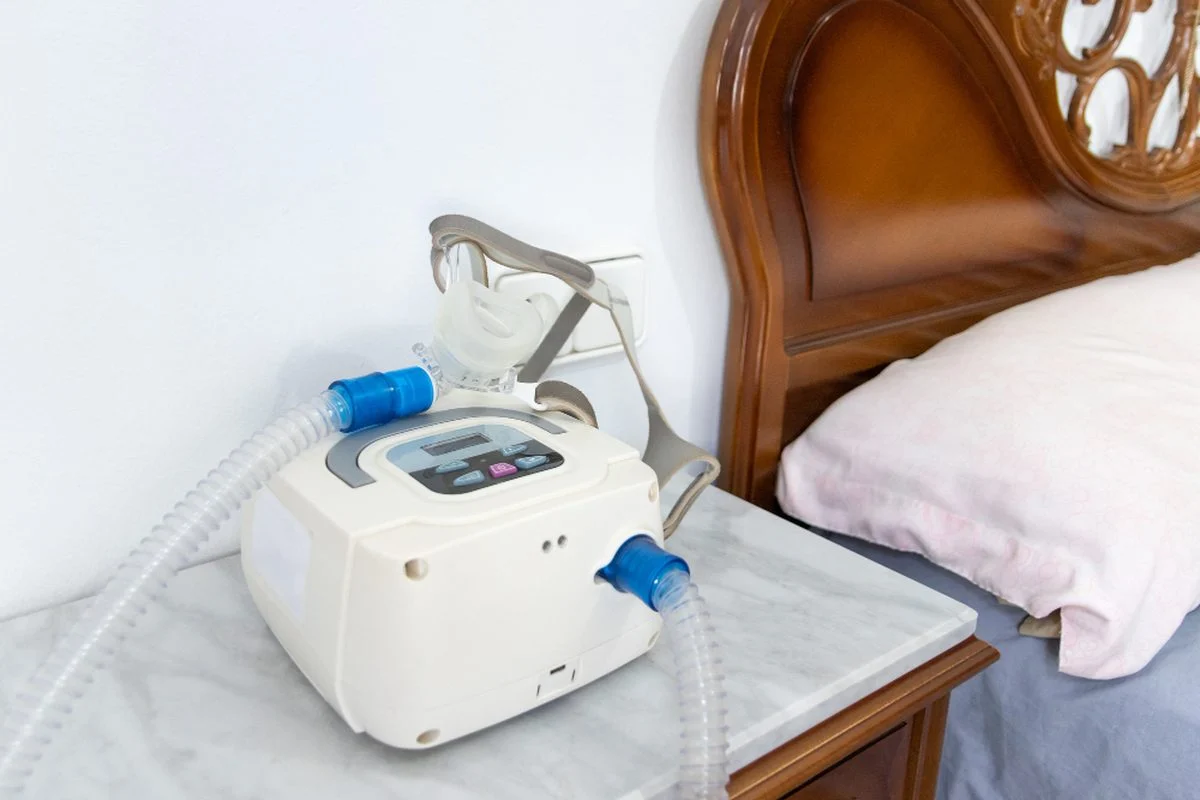
- Positive airway pressure (PAP) therapy: CPAP, auto-adjusting APAP or bilevel devices gently keep the airway open with pressurized air. PAP remains the most widely used and effective treatment for moderate to severe OSA.
- Mask fitting and ongoing support: The right mask makes all the difference. Our CPAP mask fitting and adjustment guide and mask troubleshooting tips help with leaks, pressure points and discomfort.
- Oral appliance therapy: For some patients with mild to moderate OSA or those who cannot tolerate CPAP, a custom device that moves the lower jaw forward may be an option.
- Positional therapy: Some people only have apnea events when sleeping on their back, and simple positional strategies can help.
- Lifestyle changes: Weight management, limiting alcohol and sedatives near bedtime, quitting smoking and treating nasal congestion can reduce symptoms.
- Specialist referral: When anatomy plays a large role, we coordinate with ENT and other specialists to discuss surgical or procedural options.
Living Well With CPAP
Starting PAP therapy can take a little getting used to, and we are here to help you through it. Follow-up visits let us review your device data, adjust settings and solve problems early. Our CPAP troubleshooting and travel tips cover everything from humidifier issues to traveling with your CPAP machine, so therapy fits into your life instead of disrupting it. For a printable overview to share with family, see our sleep apnea brochure.
Sleep Apnea Care Close to Home in Tennessee and Georgia
We see patients at our Chattanooga sleep clinic, our Cleveland sleep clinic and our North Georgia sleep clinic in Ringgold, along with a dedicated sleep testing office on East Brainerd Road in Chattanooga. Visit our locations page to find the office most convenient for you, and see why patients choose us for their sleep care.
Obstructive Sleep Apnea FAQs
How do I know if I have obstructive sleep apnea?
The only way to know for certain is a sleep study. Warning signs include loud snoring, gasping or choking at night, pauses in breathing noticed by a partner, morning headaches and daytime sleepiness. If you have these symptoms, a visit with one of our sleep providers is the best next step.
Is snoring the same as sleep apnea?
No. Snoring is caused by vibrating tissue in a partly narrowed airway, while sleep apnea involves repeated pauses or major reductions in breathing. Many people with OSA snore, but not everyone who snores has sleep apnea. A sleep evaluation can tell the difference.
Will I need an overnight sleep study in a lab?
It depends on your symptoms and health history. Many patients can be evaluated with an in-lab study at one of our sleep testing offices, and some are good candidates for a home sleep test. Your provider will recommend the test that gives the most accurate answer for you.
What happens if obstructive sleep apnea goes untreated?
Untreated OSA is linked to high blood pressure, heart disease, stroke, irregular heart rhythms, type 2 diabetes, depression and a greater risk of car accidents from drowsiness. Treatment lowers these risks and usually improves energy and concentration.
Is CPAP the only treatment for sleep apnea?
CPAP and other PAP devices are the most common and effective treatment, especially for moderate to severe cases. Other options can include oral appliances, positional therapy, lifestyle changes and referral for surgical evaluation, depending on your diagnosis and anatomy.
What if I can’t get comfortable with my CPAP mask?
Mask discomfort is very common and usually fixable. A different mask style, a better fit, humidifier adjustments or pressure changes often solve the problem. Let our team know at your follow-up so we can help you find a setup that works.
Do you have more than one location for sleep apnea care?
Yes. We have offices in Chattanooga and Cleveland, Tennessee, and in Ringgold, Georgia, including a dedicated sleep testing office in Chattanooga. You can call (423) 648-8008 to schedule at the location that is most convenient for you.
Get Back to Restful, Healthy Sleep
You do not have to keep living with loud snoring, broken sleep and constant fatigue. The team at Advanced Center for Sleep Disorders can find out whether obstructive sleep apnea is behind your symptoms and help you start a treatment plan that fits your life. Call (423) 648-8008 or request an appointment at our Chattanooga, Cleveland or Ringgold office today.