
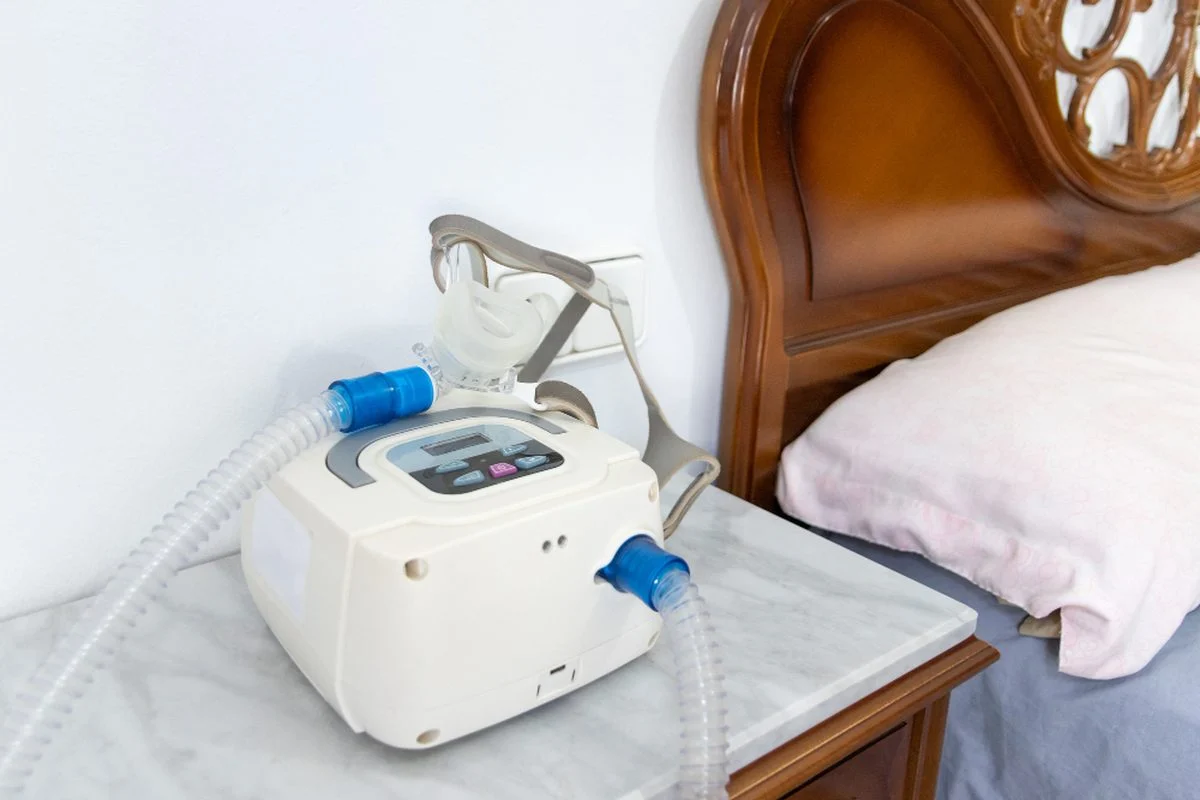
Make CPAP Therapy Work for You, Not Against You
Nearly every new CPAP user hits a few bumps in the first weeks. Dry mouth, bloating, a stuffy nose or the feeling that the air pressure is “too much” are common, and most have simple solutions. At Advanced Center for Sleep Disorders, our sleep medicine team helps patients in Chattanooga and Cleveland, TN and Ringgold, GA troubleshoot everyday CPAP problems so they can keep using therapy and get the restful, healthy sleep it is meant to deliver.
Request an AppointmentWhy Sticking With CPAP Matters
Continuous positive airway pressure (CPAP) remains one of the most effective treatments for obstructive sleep apnea. A steady stream of air keeps the airway open so breathing does not stop and start throughout the night. Used consistently, CPAP can reduce loud snoring, ease daytime sleepiness, improve concentration and lower the strain that untreated sleep apnea places on the heart and blood pressure. The challenge is that therapy only helps when it is used, and small frustrations are the most common reason people give up. Below are the problems we hear about most often and practical steps to try.
Dry Mouth or Sore Throat
Waking with a dry mouth usually means air is escaping through your mouth while you sleep. A chin strap can help keep the mouth closed, or a full face mask may be a better fit if you are a natural mouth breather. Increasing heated humidification often helps as well. If the dryness continues, review our CPAP humidifier problems page for settings to adjust.
Stuffy or Runny Nose
Pressurized air can dry and irritate nasal passages, which then swell or drip. Heated humidification, a saline nasal spray before bed and treating allergies can make a noticeable difference. Persistent congestion that forces you to breathe through your mouth is worth discussing with our providers, since it can affect how well therapy works.
Swallowing Air and Bloating
Some patients wake with a bloated stomach, belching or gas. This is called aerophagia and often happens when pressure is higher than needed or when you swallow air while adjusting to therapy. Sleeping with your head slightly elevated may help. Never change your prescribed pressure on your own; our team can review your machine data and decide whether a pressure adjustment, an auto-adjusting device or another option is appropriate.
Feeling Claustrophobic in the Mask
Feeling closed in is a very normal reaction. Practice wearing the mask while awake, such as during television or reading, first without airflow and then with the machine running. Short daily sessions help your brain get used to it. A smaller mask style such as nasal pillows may also feel less confining. Our guide to CPAP mask fitting and adjustment explains the main mask types.
Trouble Falling Asleep With the Air Pressure
If the airflow feels overwhelming at bedtime, use your machine’s ramp feature, which starts at a lower pressure and gradually rises as you fall asleep. Keeping a regular bedtime routine also helps. If you have ongoing difficulty falling or staying asleep even with CPAP, you may also be dealing with insomnia, which our clinic can evaluate and treat.
Pulling the Mask Off During the Night
Many people remove the mask without realizing it. This can be caused by a poor fit, air leaks, congestion or simply getting used to therapy. Setting an alarm to check that the mask is still on, placing the machine within easy reach and fixing leaks all help. See our CPAP mask troubleshooting tips for leak and comfort fixes.
Skin Irritation and Pressure Marks
Red marks or sores on the bridge of the nose usually mean the straps are too tight or the cushion is worn. Loosen the headgear just enough to stop leaks, wash your face before bed and clean the cushion daily to remove oils. Cushions and masks wear out over time and should be replaced on a regular schedule.
Noise, Alarms and Equipment Issues
A machine that is louder than usual, shows error messages or will not power on needs a closer look. Our CPAP machine problems page covers filters, tubing and common error causes.
Still Tired Even With CPAP
If you use CPAP every night and still feel exhausted, something may need attention. Your pressure may need adjusting, a mask leak may be reducing effectiveness, or another condition such as central sleep apnea, restless legs syndrome or narcolepsy may be involved. A follow-up visit and, in some cases, a repeat sleep study can help find the cause.
Keeping Therapy on Track Away From Home
Travel is another common reason people skip therapy. Read our tips on traveling with your CPAP machine before your next trip, and browse all of our CPAP troubleshooting and travel tips for more help.
When to Contact Our Team
If a problem lasts more than a week or two, or you find yourself skipping therapy, reach out to our sleep medicine doctors and providers. We see patients at our two Chattanooga offices on Lee Highway and E Brainerd Road, our Cleveland sleep clinic and our North Georgia sleep clinic in Ringgold. Visit our locations page to find the office most convenient for you, or learn more about the sleep disorders we treat.
CPAP Problems: Frequently Asked Questions
How long does it take to get used to CPAP?
Most people adjust within a few weeks, though some need a month or more. Wearing the mask every night, practicing while awake and fixing comfort issues early all make the adjustment period shorter.
Why do I wake up with a dry mouth when using CPAP?
A dry mouth usually means air is leaking out through your mouth. A chin strap, a full face mask or higher heated humidification can help. If it continues, our team can help you find the right solution.
Is it normal to feel bloated after using CPAP?
Some bloating from swallowing air is common, especially early on. If it is frequent or uncomfortable, contact us so a provider can review your data and determine whether your pressure settings need to be changed.
Can I adjust my CPAP pressure myself?
No. Your pressure is prescribed based on your sleep study and should only be changed under the direction of a sleep medicine provider. You can, however, use comfort features such as the ramp and humidifier settings.
What should I do if I keep taking my mask off at night?
Check for leaks, congestion or a poor fit, since discomfort often causes people to remove the mask while half asleep. If the problem continues, a different mask style or a settings review may help.
Why am I still tired even though I use CPAP every night?
Ongoing fatigue can result from mask leaks, pressure that needs adjusting, not enough total sleep or another sleep disorder. Schedule a follow-up visit so our providers can find the cause.
Where can I get help with CPAP problems?
Our sleep medicine team sees patients at offices in Chattanooga and Cleveland, TN and Ringgold, GA. Call (423) 648-8008 or request an appointment online.
Get Back to Restful, Comfortable Sleep
You do not have to struggle through CPAP problems alone. Our providers can review your therapy, address comfort concerns and help you get the full benefit of treatment. Call (423) 648-8008 or request a visit at one of our Chattanooga, Cleveland or Ringgold offices.