
Keep Your Therapy Working Night After Night
A CPAP machine only protects your health when it runs smoothly every night. Noisy motors, pressure that feels wrong, error messages or a unit that won’t power on can quickly push patients to give up on treatment. At Advanced Center for Sleep Disorders, our sleep medicine team helps patients in Chattanooga, Cleveland and Ringgold, plus communities across Southeast Tennessee and North Georgia, troubleshoot equipment issues and stay on track with therapy. Most machine problems have simple fixes, and the tips below can help you sort out what is happening and when to call us.
Request an AppointmentCommon CPAP Machine Problems and How to Fix Them
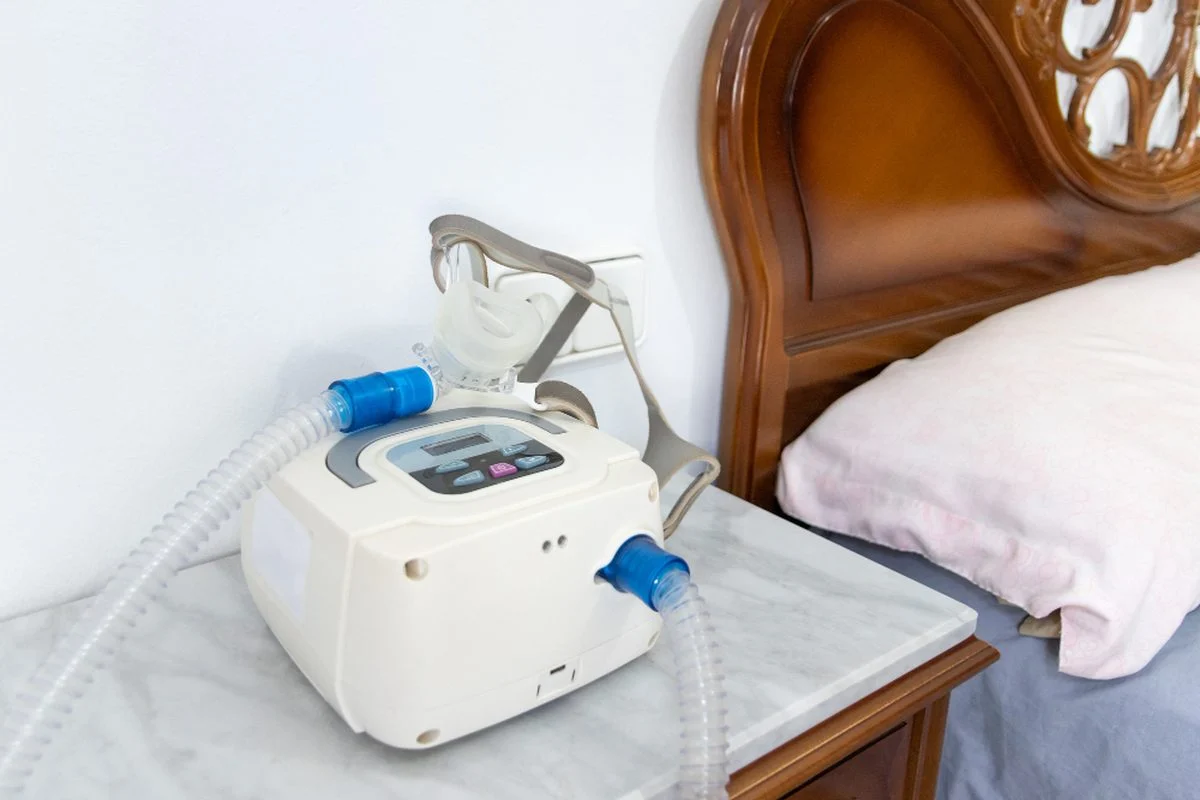
Continuous positive airway pressure (CPAP) is the most widely used treatment for obstructive sleep apnea, and it works best when it is used every night. The machine itself is the heart of your setup, delivering steady, prescribed air pressure through the tubing and mask to keep your airway open. When something goes wrong with the device, start with these common issues before assuming the unit needs to be replaced.
The Machine Won’t Turn On
Check that the power cord is firmly seated in both the machine and the wall outlet, and that the outlet works by plugging in another device. If you use a power strip, make sure it is switched on. Many machines have a separate power brick, so confirm that its connections are secure as well. If the humidifier chamber is attached, verify it is fully clicked into place, since some models won’t start when the chamber is loose.
The Machine Is Loud or Making Unusual Noises
Modern CPAP units are designed to run quietly. A whistling, rattling or louder-than-usual hum often points to a clogged or missing air filter, a loose humidifier chamber, or a crack in the tubing. Replace disposable filters on the schedule your equipment supplier recommends and rinse reusable filters regularly. Place the machine on a flat, stable surface below the level of your bed, away from curtains or bedding that can block the air intake. If the noise is actually air escaping around your face, our guide to CPAP mask troubleshooting can help.
Air Pressure Feels Too Strong or Too Weak
Feeling like you are fighting the air when you exhale, or like you aren’t getting enough air, is one of the most frequent complaints we hear. Many machines include a ramp feature that starts at a lower pressure and gradually increases as you fall asleep, and some offer exhale relief settings. Your pressure itself is a medical prescription set by your sleep physician, so it should never be changed on your own. If the pressure feels wrong, contact our office so a provider can review your data and adjust your settings if needed. Weight changes, new medications and changes in sleep position can all affect the pressure you need.
Error Messages and Warning Lights
Error codes usually relate to the motor, the humidifier, the data card or a blocked airflow path. Write down the exact message, check your user manual, and try unplugging the machine for a minute before restarting it. If the error returns, call your equipment supplier, as many devices are still under warranty.
Air Feels Too Hot, Too Cold or Too Dry
Temperature and moisture are usually controlled by the heated humidifier and, on some setups, heated tubing. Dry mouth, nosebleeds or water droplets in the tubing (“rainout”) are common signs that the settings need fine-tuning. See our page on CPAP humidifier problems for detailed solutions.
Power Outages and Backup Options
If you live in an area prone to storms or outages, ask your supplier about a compatible battery backup. Without power, your machine cannot deliver pressure, so sleeping without your mask on during an outage is the safer choice. Travelers can find more power and packing advice in our tips for traveling with your CPAP machine.
Data and Compliance Tracking Issues
Most machines record usage hours, mask leak and remaining breathing events through an SD card or wireless modem. Insurance companies often require proof of regular use, and our providers rely on this information to fine-tune your therapy. If your data isn’t uploading, make sure the SD card is fully inserted and the machine shows a signal for wireless reporting.
When to Contact Your Sleep Specialist
Call your equipment supplier for broken parts, warranty questions and replacement supplies. Contact our team when the problem affects your treatment itself, such as ongoing daytime sleepiness, loud snoring through the mask, pressure discomfort or difficulty using the machine most nights. Some patients turn out to have central sleep apnea or another condition that responds better to a different type of device, and a follow-up visit or repeat study can uncover this. Our sleep medicine doctors and providers review your data and work with you to find a setup you can live with.
For more help, browse our complete collection of CPAP troubleshooting and travel tips, including CPAP mask fitting and adjustment and general CPAP problems. You can also learn about the full range of sleep disorder services we provide, or find the nearest of our sleep clinic locations in Chattanooga, Cleveland and North Georgia.
Simple Habits That Prevent Machine Problems
A little routine maintenance goes a long way. Empty and rinse the humidifier chamber daily and refill it with distilled water. Wash your mask, tubing and chamber weekly with mild soap and let them air dry away from direct sunlight. Replace filters, cushions and tubing on schedule, and keep the machine clean and dust-free. Patients who stay on top of maintenance tend to have fewer breakdowns, quieter equipment and more comfortable nights. Questions about your supplies? Call us at (423) 648-8008.
CPAP Machine Questions Patients Ask
Why is my CPAP machine suddenly louder than usual?
A louder machine is usually caused by a dirty or missing filter, a loose humidifier chamber, a crack in the tubing or a blocked air intake. Replace or clean the filter, reseat the chamber and inspect the tubing. If the noise continues, contact your equipment supplier.
Can I adjust my CPAP pressure myself?
No. Your CPAP pressure is prescribed by your sleep physician based on your sleep study and therapy data. Comfort features like ramp and exhale relief may be adjustable, but the pressure itself should only be changed by your provider.
What should I do if my CPAP machine won’t turn on?
Check that all power connections are secure, test the wall outlet with another device and make sure the humidifier chamber is fully in place. If the machine still won’t start, contact your equipment supplier about repair or warranty replacement.
How often should I replace my CPAP filter?
Disposable filters are typically replaced every two to four weeks, and reusable filters are rinsed weekly and replaced every few months. Follow your manufacturer’s and supplier’s recommendations, and replace filters sooner if they look discolored.
Is it safe to sleep without my CPAP during a power outage?
Yes. Without power the machine cannot deliver air, so remove your mask if the power goes out. Sleep apnea symptoms will return for that night. A compatible battery backup can keep therapy running during outages.
Why do I still feel tired even though I use my CPAP every night?
Ongoing fatigue can mean your pressure needs adjusting, your mask is leaking, or another sleep condition is present. Schedule a follow-up with our sleep specialists so we can review your machine data and recommend next steps.
Do you help with CPAP problems at all of your offices?
Yes. Patients can schedule follow-up visits at our Chattanooga, Cleveland and North Georgia offices to review therapy data, discuss comfort concerns and adjust treatment when needed.
Get Back to Comfortable, Restful Sleep
If machine troubles are keeping you from using CPAP every night, our team is here to help. Schedule a follow-up visit at our Chattanooga, Cleveland or North Georgia office, or call (423) 648-8008 to talk with Advanced Center for Sleep Disorders about your therapy.